Resources
Explore a diverse collection of tools and resources shared by MIDHOS members, and browse past newsletter editions.
Programs & initiatives
The Bone & Joint Program focuses on the regeneration of skeletal tissues through fostering interdisciplinary exchange and collaboration. The program unifies two research groups with experience in stem cell research and mechanobiology, 3D, organ and organoid-like cultures leverages the ecosystem provided by the Clinics of the University Hospital and the SITEM.
i) Orthopedic Research: focus on translational research of soft tissues (e.g., intervertebral discs of the spine) and bone turnover;
ii) Cranio-Maxillofacial Surgery: treatment of facial fractures and bony deficiencies due to atrophy and growth disturbances.
Through education, valorisation of FAIR principles, and community building, the BioMed Data Science Hub aims to connect and advise scientists, spark collaboration, promote data sharing across labs and faculties, and build a culture of transparency and rigor to accelerate interdisciplinary discovery.
SATURNA is a research initiative dedicated to decoding the dynamic choreography of RNA, and to understanding how the process itself shapes disease states at cellular and molecular scales. It brings together expertise in artificial intelligence, computational RNA biology, molecular, cellular and clinical neuroscience. Within this framework, AI models are co-developed with domain experts to unlock concrete biological questions and accelerate their translation to clinic.

The Department of Digital Medicine (DDM) is dedicated to shaping the healthcare of tomorrow by transforming innovative ideas into practical healthcare solutions. From early-stage concepts to rigorous proof-of-concept studies, DDM advances digital health technologies with a strong focus on real-world outcomes, accelerating the translation of digital innovation from the lab to the clinic.
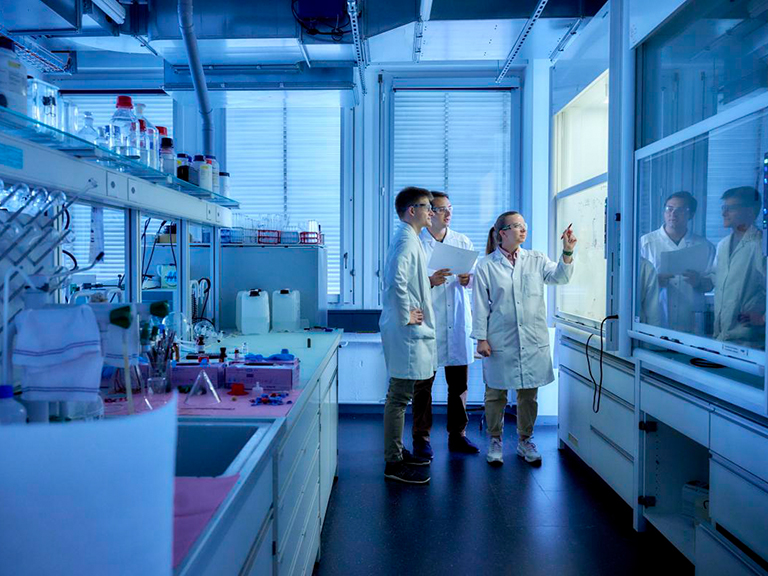
The University of Bern and McGill University Partnership in Precision Medicine aims to accelerate international research and innovation by bringing together expertise across disciplines and institutions. Through collaboration in genomics, biomarkers, and digital health, the partnership advances precision medicine and addresses global health challenges.
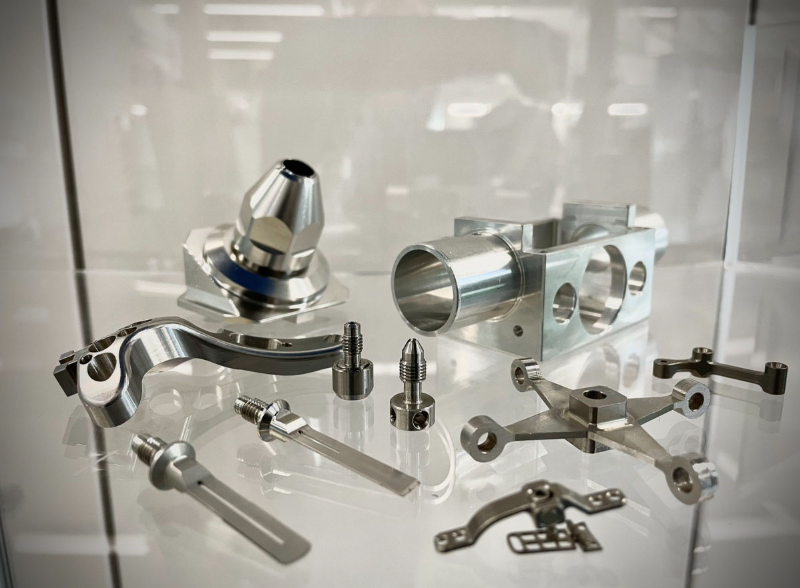
The Mechanical Production Department at the ARTORG Center for Biomedical Engineering Research supports research and development projects from design through to the manufacture of precision mechanical and electromechanical components, covering the entire manufacturing process, from CAD design and CNC machining to the finished assembly.

CAIRO (Center for AI in Radiation Oncology) aims to revolutionize the use of AI in radiation therapy. The project leverages modern technology to provide patients with personalized and more precise treatment. Through the analysis of various patient data, radiation therapy will be optimized, improving treatment and reducing side effects.
The STRADA (Scientific Transformations through the Alliance of Domain Knowledge and AI) Network aims to bridge the gap between disciplinary knowledge and data-driven methods with the goal to foster a multidisciplinary environment that helps scholars navigate the digital transformation of science.
The Swiss Obesity Clinical Practice Guidance: a comprehensive framework for assessing and treating obesity as a chronic, multifactorial disease. Co-authored by Prof. Lia Bally and leading Swiss medical societies, it focuses on improving overall health, quality of life, functional outcomes, and obesity-related comorbidities. The multidisciplinary and individualized approach integrates lifestyle interventions, behavioral support, pharmacological therapies, and surgical options when appropriate. The guidance highlights the importance of reducing weight stigma and providing empathetic, patient-centered care.