
MIDHOS Members
At the core of MIDHOS are dedicated members whose diverse expertise, collaborative spirit, and scientific rigor drive the shared vision to address metaflammation and advance research in the key areas of musculoskeletal health, metabolic disease, inflammation, digital health.
The MIDHOS community brings together experts from across the scientific spectrum, from fundamental researchers to clinician-scientists working at the forefront of patient-centered discovery.

Profile
Maria Luisa Balmer, MD-PhD is SNSF Eccellenza Assistant Professor and head of the Translational Immunometabolism Laboratory at the Institute for Infectious Diseases. Her research focuses on the metabolic crosstalk between the gut microbiota and the immune system in metabolic disease. During her doctoral work with Andrew J. Macpherson, she demonstrated the role of the liver as an immunological firewall controlling systemic exposure to commensal bacteria.
In her postdoctoral work with Christoph Hess, she identified how systemic metabolites such as acetate regulate memory CD8⁺ T-cell function. Since establishing her independent group in 2021, she combines gnotobiotic models and multi-omics approaches to identify microbiota-derived metabolites driving obesity and metaflammation, with the aim of developing microbiota-targeted therapeutic strategies.
Selected Publications
- Balmer ML, Ma EH, Bantug GR, Grählert J, Pfister S, Glatter T, Jauch A, Dimeloe S, Slack E, Dehio P, KrzyzaniakMA, King CG, Burgener AV, Fischer M, Develioglu D, Belle R, Recher M, Bonilla WV, Pinschewer DD, MacphersonAJ, Hapfelmeier S, Jones RG and Hess C. Memory CD8+ T cells require stress-levels of acetate for optimal function. Immunity. 2016 Jun 21;44(6):1312-1324. DOI:10.1016/j.immuni.2016.03.016
- Balmer ML, Slack E, de Gottardi A, Lawson M, Hapfelmeier S, Miele S, Grieco A, Van Vlierberghe H, Fahrner R, Patuto N, Bernsmeier C, Ronchi F, Wyss M, Stroka D, Dickgreber N, Heim M, McCoy KD, and Macpherson AJ: The liver may act as a firewall mediating mutualism between the host and its commensal gut microbiota. Sci Transl Med.2014 May 21;6(237):237ra66. DOI:10.1126/scitranslmed.3008618
- Scalise M, Simon M, Bernhardt J, Trümpi O, Hettich T, Gaugler S, Saulacic N, Gantenbein B, Zysset P, Balmer ML. Defined Microbiota Modulates Host Metabolome and Skeletal Adaptation to Diet-Induced Obesity. The FASEB Journal 40, no. 8 (2026): e71831, DOI:10.1096/fj.202600564RR.

Profile
Dr. Johannes Dominik Bastian is a Swiss orthopaedic surgeon and professor at Inselspital, University Hospital Bern. Trained in Bern, he specializes in hip and pelvic surgery, including primary and revision hip arthroplasty, femoral and acetabular fractures, periprosthetic fractures, and pelvic-ring injuries. At Inselspital, he established the orthogeriatric service and the Fracture Liaison Service (FLS) to improve acute care pathways and long-term outcomes for older adults with fragility fractures. He founded and serves as president of the Expert Group “Orthogeriatry and Geriatric Traumatology” within Swiss Orthopaedics, created the Orthogeriatric Research Center Bern—an interdisciplinary platform hosting the annual Swiss Orthogeriatric Day—and initiated the Fragility Fracture Network (FFN) Switzerland. These contributions have established him as a leading figure in orthogeriatric trauma care in Switzerland and internationally. His research focuses on hip and pelvic trauma, orthogeriatric care models, and clinical pathways for fragility fractures in ageing populations, with the aim of improving functional recovery, reducing complications, and advancing evidence-based care for older trauma patients.
Selected Publications
- Egli RJ, Keel MJB, Cullmann JL, Bastian JD. (2017) Secure screw placement in management of acetabular fractures using the suprapectineal quadrilateral buttress plate: screw orientation and surgical guidance. BioMed Research International 2017:8231301. DOI: 10.1155/2017/8231301
- Lizano‑Díez X, Keel MJB, Siebenrock KA, Tey M, Bastian JD. (2020) Rehabilitation protocols in unstable trochanteric fractures treated with cephalomedullary nails in elderly: current practices and outcome. European Journal of Trauma and Emergency Surgery 46(6):1267–1276. DOI: 10.1007/s00068-019-01294-z
- Keel MJB, Siebenrock KA, Tannast M, Bastian JD. (2018) The pararectus approach: a new concept. JBJS Essential Surgical Techniques 8:e21. DOI: 10.2106/JBJS.ST.17.00060
- Ivanova S, Prochazka O, Giannoudis PV, Tosounidis T, Tannast M, Bastian JD. (2025) Rehabilitation protocols for surgically treated acetabular fractures in older adults: current practices and outcomes. Journal of Clinical Medicine 14(14):4912. DOI: 10.3390/jcm14144912

Profile
Prof. Dr. med. Annalisa Berzigiotti is a Full Professor of Clinical Hepatology at the University of Bern, where she is Chief of Hepatology and a Director of the Department of Visceral Surgery and Medicine, Inselspital Bern. She is internationally renowned for her research focusing on non-invasive methods for assessing liver diseases and the role of liver stiffness in the progression and regression of liver fibrosis.
Selected Publications
- Berzigotti A, Albillos A, Villanueva C, Genescá J, Ardevol A, Augustín S, Calleja JL, Bañares R, García-Pagán JC, Mesonero F, Bosch J,Ciberehd SportDiet Collaborative Group. Effects of an Intensive 16-week Lifestyle Intervention Program on Portal Hypertension in Patients with Cirrhosis and Obesity: the SportDiet Study. Hepatology. 2017 Apr;65(4):1293-1305.
- Stähli P, Becchetti C, Martiartu NK, Berzigotti A, Frenz M, Jaeger M. First-in-human diagnostic study of hepatic steatosis with computed ultrasound tomography in echo mode (CUTE). Comm Medicine 2023 Dec 9;3(1):176.
- Karlsen TH, Rutter H, Carrieri P, Zelber-Sagi S, Engebretsen E, Hutchinson S, Voigt K, Guha N, Berzigotti A, Schomerus G, Gines P, Buti M, Burra P, Manns MP, Krag A, Kleinert S. The EASL-Lancet Commission on liver health in Europe: prevention, case-finding and early diagnosis to reduce liver-related mortality. Lancet. 2024 Apr 0;403(10436):1522-1524
- Mendoza YP, Tsouka S, Semmler G, Seubnooch P, Freiburghaus K, Mandorfer M, Bosch J, Masoodi M, Berzigotti A. Metabolic phenotyping of patients with Advanced Chronic Liver Disease for better characterization of Cirrhosis Regression. J Hepatol. 2024 Jun 27:S0168-8278(24)02334-1.
- Dajti E, Huber AT, Ferraioli G, Berzigotti A. Advances in imaging - Elastography. Hepatology. 2025 Apr 2. Online ahead of print.
Profile
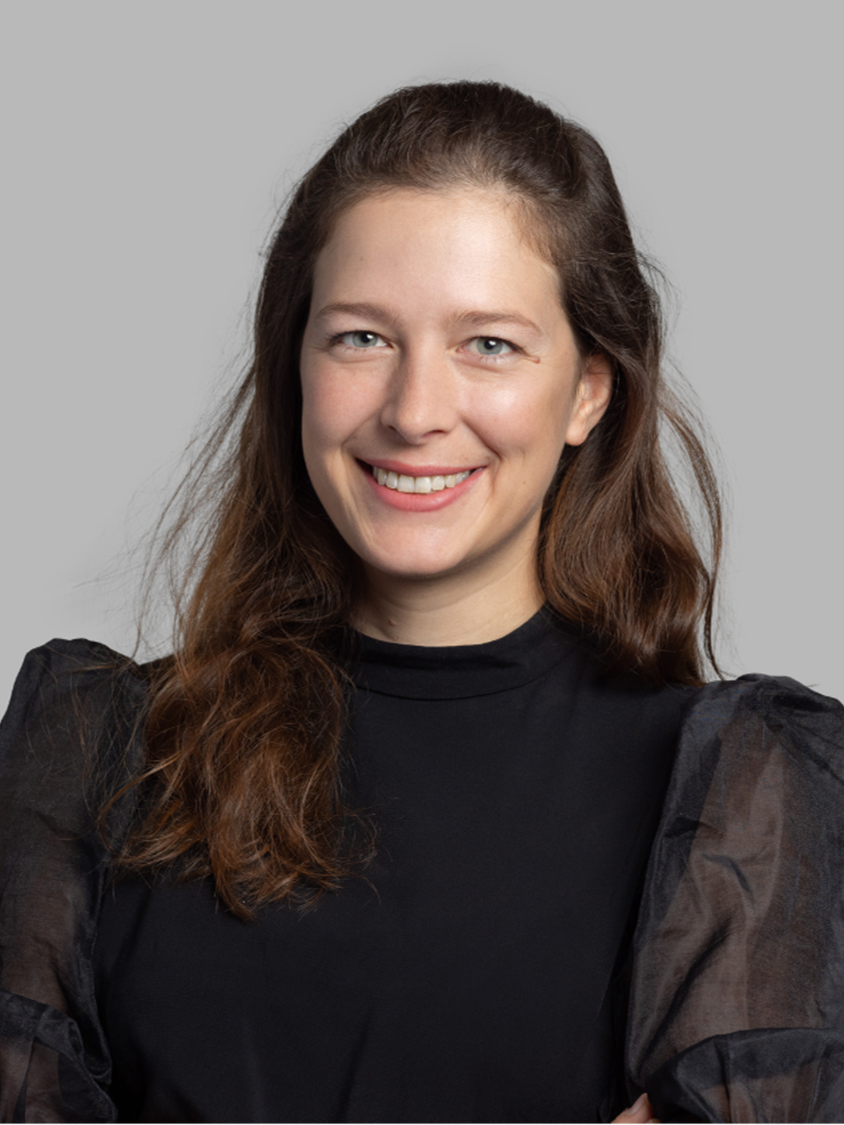
Prof. Dr. Sarah Brüningk is Assistant Professor and head of the Center for AI in Radiation Oncology (CAIRO) at the Department of Radiation Oncology, Inselspital, University Hospital Bern and the University of Bern. Her research focuses on the development of artificial intelligence, mechanistic modelling, and digital health approaches for precision oncology, with a particular emphasis on radiotherapy, longitudinal tumour response assessment, and paediatric brain tumours.
Her group integrates multimodal clinical, imaging, molecular, and treatment data to build interpretable and clinically deployable models that support patient-specific prediction and decision-making. Through her SNSF Starting Grant on paediatric digital health towards data-driven precision therapy, she develops AI-based approaches to better understand and predict treatment response in children with cancer. Her broader aim is to translate computational methods into human-centred tools that strengthen clinical reasoning and enable more adaptive, personalised cancer care.
Selected Publications
Brüningk SC, Rivens I, Box C, Oelfke U, Ter Haar G. 3D tumour spheroids for the prediction of the effects of radiation and hyperthermia treatments. Scientific Reports. 2020;10:1653. DOI: 10.1038/s41598-020-58569-4.
Brüningk SC, Peacock J, Whelan CJ, Brady-Nicholls R, Yu HHM, Sahebjam S, Enderling H. Intermittent radiotherapy as alternative treatment for recurrent high grade glioma: a modeling study based on longitudinal tumor measurements. Scientific Reports. 2021;11:20219. DOI: 10.1038/s41598-021-99507-2.
Ramakrishnan D, Brüningk SC, von Reppert M, et al. Comparison of Volumetric and 2D Measurements and Longitudinal Trajectories in Response Assessment of Pediatric Gliomas in the Pacific Pediatric Neuro-Oncology Consortium (PNOC-002) Clinical Trial. American Journal of Neuroradiology. 2024;45(4):475–482. DOI: 10.3174/ajnr.A8189.
Metzcar J, Jutzeler CR, Macklin P, Köhn-Luque A, Brüningk SC. A review of mechanistic learning in mathematical oncology. Frontiers in Immunology. 2024;15:1363144. DOI: 10.3389/fimmu.2024.1363144.
Laslo D, Wolleb J, Monzon M, et al.; Brüningk S. Generative AI for spatial tumor growth on MRI: a proof-of-principle study in pediatric diffuse midline glioma. BMC Medicine. 2026. DOI: 10.1186/s12916-026-04911-y.
Profile
Dr. Elias Bührer is a board-certified physician in Rheumatology and Internal Medicine with a strong scientific background in tumor immunology. He is an academic clinician-scientist with active research interests in rheumatology and osteology, focusing on immune-mediated mechanisms of musculoskeletal disease and bone health. His work integrates translational immunology with clinical research to improve the understanding and management of inflammatory rheumatic diseases and osteoporosis.
Profile
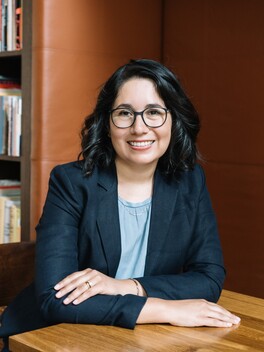
PD Dr. Patricia Chocano-Bedoya is a physician, epidemiologist, and Head of Ageing Research at the Bern Institute of Primary Health Care (BIHAM), University of Bern. She leads a multidisciplinary research team investigating lifestyle factors related to healthy ageing. Her research focuses on how inflammatory diets can influence age-related conditions, with the goal of developing evidence-based strategies to promote healthy ageing.
Selected Publications
- Ortega N, Schütte L, de Crom TOE, Voortman T, Okereke OI, Vinceti M, von Gunten A, Marques-Vidal P, Rodondi N, Chiolero A, Chocano-Bedoya PO. Dietary patterns, inflammatory biomarkers and cognition in older adults: An analysis of three population-based cohorts. Clin Nutr. 2024 Oct;43(10):2336-2343. doi: 10.1016/j.clnu.2024.08.027. Epub 2024 Aug 24. Erratum in: Clin Nutr. 2025 Feb;45:134-135. doi: 10.1016/j.clnu.2025.01.013. PMID: 39236406.
- Villoz F, Filippini T, Ortega N, Kopp-Heim D, Voortman T, Blum MR, Del Giovane C, Vinceti M, Rodondi N, Chocano-Bedoya PO. Dairy Intake and Risk of Cognitive Decline and Dementia: A Systematic Review and Dose-Response Meta-Analysis of Prospective Studies. Adv Nutr. 2024 Jan;15(1):100160. doi: 10.1016/j.advnut.2023.100160. Epub 2023 Dec 1. PMID: 38043604; PMCID: PMC10788406.
- Chocano-Bedoya PO, Mirzaei F, O'Reilly EJ, Lucas M, Okereke OI, Hu FB, Rimm EB, Ascherio A. C-reactive protein, interleukin-6, soluble tumor necrosis factor α receptor 2 and incident clinical depression. J Affect Disord. 2014 Jul;163:25-32. doi: 10.1016/j.jad.2014.03.023. Epub 2014 Mar 27. PMID: 24836084; PMCID: PMC4029945.

Profile
PD Dr. med. Lisa Christ is attending physician and clinical scientist at the University Clinic for Rheumatology and Immunology at Inselspital. Her research focuses on vasculitis, specifically giant cell arteritis, and Sjögren’s disease. She conducted the GUSTO trial, a proof-of-concept study in giant cell arteritis. Dr. Christ is a founding member of the Vasculitis Association Switzerland (VASAS), national PI of the Swiss Sjögren Cohort and in the scientific commission of the Swiss Clinical Quality Management in Rheumatic Diseases Foundation (SCQM).
Selected Publications
- Christ L, Bonel HM, Cullmann JL, Seitz L, Bütikofer L, Wagner F, Villiger PM. (2025) Magnetic resonance imaging to monitor disease activity in giant cell arteritis treated with ultra-short glucocorticoids and tocilizumab. Rheumatology 64(4):2059-2067.
- Christ L, Seitz L, Scholz G, Sarbu A-C, Amsler J, Bütikofer L, Kollert F, Reichenbach S, Villiger PM. (2021) Tocilizumab monotherapy after ultra-short glucocorticoid administration in giant cell arteritis: a single-arm, open-label, proof-of-concept study. Lancet Rheumatol 3(9):e619-e626.
- Christ L, Seitz L, Scholz G, Bütikofer L, Kollert F, Reichenbach S, Villiger PM. (2025) Efficacy of tocilizumab monotherapy after ultrashort glucocorticoid administration to treat giant cell arteritis: three-year follow-up. Rheumatology 64(11):5616-5621.
- Zingg F, Ryser FS, Gloor AD, Polysopoulos C, Villiger PM, Christ L, Maurer B. (2024) Serum protein profiling reveals distinct patient clusters in giant cell arteritis. Rheumatology 63(10):2887-2896.
- Christ L, Gloor AD, Kollert F, Gaber T, Buttgereit F, Reichenbach S, Villiger PM. (2023) Serum proteomics in giant cell arteritis in response to a three-day pulse of glucocorticoid followed by tocilizumab monotherapy (the GUSTO trial). Frontiers in Immunology 14:1165758

Profile
Yvonne Döring is Professor of Translational Angiology at the University of Bern and Inselspital, where she leads research within the Swiss Cardiovascular Centre. Her work focuses on immunological and inflammatory mechanisms driving atherosclerosis and vascular disease, with particular emphasis on chemokine receptor signaling, immune cell recruitment, and vascular–immune interactions. She integrates mechanistic studies in experimental models with translational and human data to identify clinically relevant targets for cardiovascular therapy.
Selected Publications
- Evans BR, Schulz J, Yerly Y, Thakur M, Angliker N, Siegrist M, Jansen Y, Yan Y, Maas SL, Gold C, et al., Döring Y. ChemR23 prevents phenotypic switching of vascular smooth muscle cells into macrophage-like foam cells in atherosclerosis. Cardiovasc Res. 2025; online ahead of print. doi:10.1093/cvr/cvaf258.
- van der Vorst EPC, Mandl M, Müller M, Neideck C, Jansen Y, Hristov M, Gencer S, Peters LJF, et al., Döring Y. Hematopoietic ChemR23 fuels atherosclerosis by sustaining an M1 macrophage phenotype and guidance of plasmacytoid dendritic cells to murine lesions. Arterioscler Thromb Vasc Biol. 2019;39:685–693. doi:10.1161/ATVBAHA.119.312386.
- Döring Y, Jansen Y, Cimen I, Aslani M, Gencer S, Peters LJF, Duchene J, Weber C, van der Vorst EPC. B-cell specific CXCR4 protects against atherosclerosis development and increases plasma IgM levels. Circ Res. 2020;126:787–788. doi:10.1161/CIRCRESAHA.119.316142.
- Döring Y, van der Vorst EPC, Duchene J, Jansen Y, Gencer S, Bidzhekov K, et al. CXCL12 derived from endothelial cells promotes atherosclerosis to drive coronary artery disease. Circulation. 2019;139:1338–1340. doi:10.1161/CIRCULATIONAHA.118.037953.
- Döring Y, Noels H, van der Vorst EPC, Neideck C, Egea V, Drechsler M, Mandl M, et al. Vascular CXCR4 limits atherosclerosis by maintaining arterial integrity: evidence from mouse and human studies. Circulation. 2017;136:388–403. doi:10.1161/CIRCULATIONAHA.117.027646.
Profile
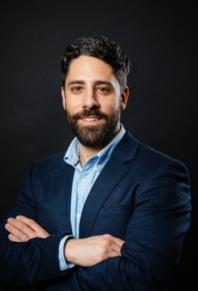
Dr. Vissarion Efthymiou is a preclinical senior scientist specializing in systemic metabolism, with a strong focus on adipose tissue and liver biology in the context of obesity, type 2 diabetes, and related metabolic diseases. His research integrates pharmacological and genetic in vitro and in vivo approaches, as well as single-cell omics and other state-of-the-art technologies, to better understand the role and function of human and mouse white and brown adipose tissue. He also aims to unravel inter-organ crosstalk in metabolic health and disease, including the metabolic actions of incretin-based therapies. Dr. Efthymiou leads multidisciplinary projects across academic and industry partnerships, has generated high-impact scientific publications and single-cell atlases of human adipose tissue, and is translating mechanistic insights into therapeutic strategies targeting metabolic disease.
Selected Publications
- Efthymiou V, Ding L, Balaz M, Sun W, Balazova L, Straub LG, Dong H, Simon E, Ghosh A, Perdikari A, Keller S, Ghoshdastider U, Horvath C, Moser C, Hamilton B, Neubauer H, Wolfrum C. Inhibition of AXL Receptor Tyrosine Kinase Enhances Brown Adipose Tissue Functionality in mice. Jul 13;14(1):4162. doi: 10.1038/s41467-023-39715-8, 2023 Nature Communications
- Efthymiou V, Patti ME. It Is Not Just Fat: Dissecting the Heterogeneity of Adipose Tissue Function. 22;177-187, 2022 Curr Diab Rep.
- Efthymiou V, Ghosh A, Kodani SD, Caubit X, Fasano L, Ali W, Poulos LS, Camara H, Gupta A, Belaidouni Y, Booeshaghi AS, Yang S, Rastogi R, Shamsi F, Vernon A, Streets A, Tseng YH, Patti ME. Single-Nucleus Analysis of Human White Adipose Tissue Reveals Adipocyte Subsets with Distinct Metabolic Profiles. 2025 Sep 16 BioRxiv doi: https://doi.org/10.1101/2025.09.14.673351; human adipose atlas published in CellxGene: https://cellxgene.cziscience.com/collections/6b701826-37bb-4356-9792-ff41fc4c3161 revisions completed in Nature Communications)
- Efthymiou V*, Straub LG*, Grandl G, Balaz M, Challa TD, Truscello L, Horvath C, Moser C, Rachamin Y, Arnold M, Sun W, Modica S, Wolfrum C. Antioxidants protect against diabetes by improving glucose homeostasis in mouse models of inducible insulin resistance and obesity. 2019 Jul 15 Diabetologia. doi: 10.1007/s00125-019-4937-7. *equal contribution
- Efthymiou V*, Rosenwald M*, Opitz L, Wolfrum C. SRF and MKL1 Independently Inhibit Brown Adipogenesis. PLoS ONE 12(1): 1-17, 2017. *equal contribution
Profile
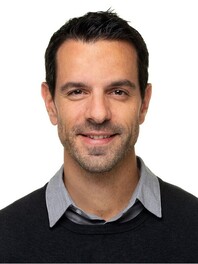
Dr. Alexander Eggel is Associate Professor at the Department of Biomedical Research at the University of Bern and a group leader at Inselspital Bern. His interdisciplinary research focuses on the interplay between metabolism, inflammation, aging, and immune function, with the goal of developing innovative therapeutic and diagnostic strategies for age-related and inflammatory diseases.
His work has contributed to seminal discoveries on systemic aging factors, adipose tissue inflammation, eosinophil-mediated rejuvenation, and novel anti-allergy therapeutics. Dr. Eggel is co-founder of ATANIS Biotech AG and Excellergy Inc., translating scientific discoveries into clinical applications. He has received multiple prestigious awards, including the Pfizer Research Prize, the Swiss Immunology Early Career Award, and the Theodor Kocher Prize.
Selected Publications
- Villeda SA et al. “The ageing systemic milieu negatively regulates neurogenesis and cognitive function.” Nature (2011). DOI: https://doi.org/10.1038/nature10357
- 2. Brigger D et al. “Eosinophils regulate adipose tissue inflammation and sustain physical and immunological fitness in old age.” Nature Metabolism (2020). DOI: https://doi.org/10.1038/s42255-020-0228-3
- 3. Kim B, Eggel A et al. “Accelerated disassembly of IgE-receptor complexes by a disruptive macromolecular inhibitor.” Nature (2012). DOI: https://doi.org/10.1038/nature11546
- 4. Pennington LF et al. “Structure-guided design of ultrapotent disruptive IgE inhibitors to rapidly terminate acute allergic reactions.” Journal of Allergy and Clinical Immunology (2021). DOI: https://doi.org/10.1016/j.jaci.2021.03.050
- 5. Zbären N et al. “A novel functional mast cell assay for the detection of allergies.” Journal of Allergy and Clinical Immunology (2022). DOI: https://doi.org/10.1016/j.jaci.2021.08.006

Profile
Dr. Eggimann-Stuck is a physician–scientist and geriatrician at Inselspital Bern University Hospital and the University of Bern, where she serves as Senior Physician and Co-Lead of the Orthogeriatrics Center within the Department of Geriatrics in close collaboration with the Department of Orthopedic Surgery and Traumatology.
Her work focuses on improving outcomes for older adults with musculoskeletal injuries and age-related functional decline through interdisciplinary clinical care and translational research.
Selected Publications
- Merz N, Plessmann R, Netzer S, Meyer L, Limacher A, Eggimann AK. Impact of Sarcopenia Diagnosed by Point-of-Care Ultrasound on Geriatric Rehabilitation Outcomes: A Prospective Cohort Study. J Am Med Dir Assoc. 2025 Nov;26(11):105873. doi: 10.1016/j.jamda.2025.105873.
- Eggimann AK, de Godoi Rezende Costa Molino C, Freystaetter G, Vellas B, Kanis JA, Rizzoli R, Kressig RW, Armbrecht G, Da Silva JAP, Dawson-Hughes B, Lang W, Gagesch M, Egli A, Bischoff-Ferrari HA. Effect of vitamin D, omega-3 supplementation, or a home exercise program on muscle mass and sarcopenia: DO-HEALTH trial. J Am Geriatr Soc. 2025 Apr;73(4):1049-1059. doi: 10.1111/jgs.19266.
- Staempfli JS, Kistler-Fischbacher M, Gewiess J, Bastian JD, Eggimann AK. The Validity of Muscle Ultrasound in the Diagnostic Workup of Sarcopenia Among Older Adults: A Scoping Review. Clin Interv Aging. 2024 May 30;19:993-1003. doi: 10.2147/CIA.S463917.
- Stuck (-Eggimann) AK, Basile G, Freystaetter G, de Godoi Rezende Costa Molino C, Lang W, Bischoff-Ferrari HA. Predictive validity of current sarcopenia definitions (EWGSOP2, SDOC, and AWGS2) for clinical outcomes: A scoping review. J Cachexia Sarcopenia Muscle. 2023 Feb;14(1):71-83. doi: 10.1002/jcsm.13161.
- Stuck (-Eggimann) AK, Tsai LT, Freystaetter G, Vellas B, Kanis JA, Rizzoli R, Kressig KS, Armbrecht G, Da Silva JAP, Dawson-Hughes B, Egli A, Bischoff-Ferrari HA. Comparing Prevalence of Sarcopenia Using Twelve Sarcopenia Definitions in a Large Multinational European Population of Community-Dwelling Older Adults. J Nutr Health Aging. 2023;27(3):205-212. doi: 10.1007/s12603-023-1888-y.

Profile
Manuela Eugster is an Assistant Professor of Robotics and Micromechatronics at the ARTORG Center for Biomedical Engineering Research and the Department of Neurosurgery. She leads the Neuro Robotics Group, an interdisciplinary research team with expertise in robotics, mechanics, and electronics. Her research focuses on the development of robotic and micromechatronic surgical instruments, aiming to create innovative systems and devices that enhance the precision, efficiency, and safety of surgical procedures. In addition, she oversees several core facilities, including a 3D printing laboratory, an electronics laboratory, and a mechanical workshop.
Selected Publications
- M. Allenspach, R. Sznitman, and M. Eugster, “Simulating pancreatic tissue motion to study the performance of polarimetry-based intraoperative cancer detection”, at - Automatisierungstechnik, vol. 73, no. 12, Dec. 2025.
- Y. Tomooka et al., “Minimally invasive in situ bioprinting using tube-based material transfer”, at - Automatisierungstechnik, vol. 71, no. 7, pp. 562–571, 2023.
- M. Eugster, C. Duverney, M. Karnam, N. Gerig, P. C. Cattin, and G. Rauter, “Robotic Endoscope System for Future Application in Minimally Invasive Laser Osteotomy: First Concept Evaluation”, IEEE transactions on medical robotics and bionics, vol. 4, no. 3, pp. 621–633, Aug. 2022.
- M. Eugster, “Robotic system for accurate minimally invasive laser osteotomy”, at - Automatisierungstechnik, vol. 70, no. 7, pp. 676–678, 2022.

Profile
Judith Everts-Graber (MD) is a rheumatologist and clinical researcher at Inselspital Bern with a focus on osteoporosis and osteoimmunology. She leads a large multicenter osteoporosis registry (www.osteoregistry.ch) and oversees research on the effectiveness and safety of anti-osteoporotic therapies, fracture risk prediction, and osteoporosis care in Switzerland.
Selected Publications
- Everts-Graber J, Schmid G, Häuselmann H, Huber C, Streit S, Ravensbergen W, Reichenbach S, Maurer B, Lehmann T, Pinedo-Villanueva R, et al. Post-fracture care and predictors of anti-osteoporotic treatment in Switzerland: a nationwide health claims analysis. Osteoporos Int. 2026; (accepted/in press).
- Lehmann O, Mineeva O, Veshchezerova D, Häuselmann H, Guyer L, Reichenbach S, Lehmann T, Demler O, Everts-Graber J, Wenger M, et al. Fracture risk prediction in postmenopausal women with traditional and machine learning models in a nationwide, prospective cohort study in Switzerland with validation in the UK Biobank. J Bone Miner Res. 2024;39(8):1103–1112.
- Everts-Graber J, Bonel H, Lehmann D, Gahl B, Häuselmann H, Studer U, Ziswiler HR, Reichenbach S, Lehmann T. Comparison of anti-fracture effectiveness of zoledronate, ibandronate and alendronate versus denosumab in a registry-based cohort study. Osteoporos Int. 2023;34(11):1961–1973.
- Park KS, Jung SM, Park YJ, et al. Risk of osteonecrosis of the jaw under denosumab compared to bisphosphonates in patients with osteoporosis. J Bone Miner Res. 2021;37(10):2044–2052.
- Everts-Graber J, Reichenbach S, Ziswiler HR, Studer U, Lehmann T. A single infusion of zoledronate in postmenopausal women following denosumab discontinuation results in partial conservation of bone mass gains. J Bone Miner Res. 2020;35(7):1207–1215.
Profile
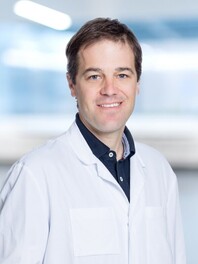
Prof. Dr. med. Daniel Fuster is Full Professor of Nephrology at the University of Bern and Director of the Department of Nephrology at Inselspital, Bern University Hospital. His research focuses on kidney stone disease, bone and mineral metabolism, and inherited kidney disorders. He heads a translational research group combining basic and clinical science, has established several patient cohorts and observational studies and served as principal investigator in numerous randomized clinical trials.
Selected Publications
- Anderegg MA, Schietzel S, Bargagli M, Bally L, Faller N, Moor MB, Cereghetti GM, Roumet M, Trelle S, Fuster DG. Empagliflozin in nondiabetic individuals with calcium and uric acid kidney stones: a randomized phase 2 trial. Nat Med. Jan 2, 2025.
- Christe A, Primetis E, Cereghetti GM, Drakopoulos D, Dhayat NA, Bonny O, Ritter A, Mohebbi N, Faller N, Pellegrini L, Bedino G, Venzin RM, Grosse P, Hüsler C, Koneth I, Bucher C, Del Giorno R, Gabutti L, Mayr M, Odermatt U, Buchkremer F, Ernandez T, Stoermann-Chopard C, Teta D, L, Trelle S, Roth B, Bargagli M, Fuster DG. Hydrochlorothiazide and bone mineral density in patients with kidney stones. Clin J Am Soc Nephrol. 2025 May 1;20(5):706-718.
- Dhayat NA, Bonny O, Roth B, Christe A, Ritter A, Mohebbi N, Faller N, Pellegrini L, Bedino G, Venzin RM, Grosse P, Hüsler C, Koneth I, Bucher C, Del Giorno R, Gabutti L, Mayr M, Odermatt U, Buchkremer F, Ernandez T, Stoermann-Chopard C, Teta D, Vogt B, Roumet M, Tamò L, Cereghetti G, Trelle S, Fuster DG. Hydrochlorothiazide and Prevention of Kidney-Stone Recurrence. N Engl J Med. 2023 Mar 2;388(9):781-791.
- Schnyder D, Albano G, Kucharczyk P, Dolder S, Siegrist M , Anderegg M, Pathare G, Hofstetter W, Baron R, Fuster DG. Deletion of the sodium / hydrogen exchanger 6 causes increased sclerostin expression with low bone volume. Bone. 2021 Dec;153:116178.
- Dhayat NA, Schneider L, Popp AW, Lüthi D, Mattmann C, Vogt B, Fuster DG. Predictors of Bone Mineral Density in Kidney Stone Formers. Kidney Int Rep. 2021 Dec 15;7(3):558-567.
- Deisl C, Simonin A, Anderegg M, Albano G, Kovacs G, Ackermann D, Moch H, Dolci W, Thorens B, Hediger M and Fuster DG. The sodium/hydrogen exchanger NHA2 is critical for insulin secretion in β-cells. Proc Natl Acad Sci U S A. 2013 Jun 11;110(24):10004-9.

Profile
Prof Benjamin Gantenbein is an Associated Professor of the Medical Faculty and Group Head of Bone & Joint Research Program and the Tissue Engineering for Orthopedics & Mechanobiology (TOM) group at the Department for BioMedical Research (DBMR) and the Department of Orthopaedic Surgery and Traumatology, Inselspital, at the Medical Faculty of the University of Bern. His research focuses on intervertebral disc repair using biomaterials and scaffolds, mesenchymal stem cells or a combination thereof. He started his career at the University of Bern in the field of evolutionary biology / phylogenetics where he completed his Master of Science degree and also his PhD at the Computational and Molecular Population Genetics (CMPG) laboratory at University of Bern.
Selected Publications
- Chen S, Tian X, Zwingenberger S, Albers CE, Gantenbein B, Häckel S (2026) Promoting Intervertebral Disc Fusion Using BMP2, L51P, and the EP4 Agonist KMN-159: Synergistic Osteogenesis in Human Annulus Fibrosus Cells. European Spine Journal https://doi.org/10.1007/s00586-026-09841-0
- Chen S, Bigdon SF, Sonja H, Zhen L, Albers CE, Gantenbein B (2025) Noggin Expression in Human Nucleus Pulposus Cells: A Comparative Study of Degenerative and Traumatic Intervertebral Discs. Advanced Orthopaedics 1: 55-62 https://doi.org/10.1016/j.advop.2025.04.001
- Crump KB, Chapallaz C, Alminnawi A, Bermudez-Lekerika P, Geris L, Noailly J, Gantenbein B (2025) Exploring Mechanotransduction and Inflammation in Human Cartilaginous Endplate Cells in Blended Collagen–Agarose Hydrogels Under Cyclic Compression. Gels 11(9): https://doi.org/10.3390/gels11090736
- Stirnimann A, Schlagenhof L, Gantenbein B, Ille F (2025) Advancing Intervertebral Disc Biology via Omics: Implications for Nucleus Pulposus Progenitor Cell-Based Regeneration. JOR Spine 8(4):e70130. https://doi.org/10.1002/jsp2.70130
- Crump KB, Kanelis E, Segarra-Queralt M, Pascuet-Fontanet A, Bermudez-Lekerika P, Alminnawi A, Geris L, Alexopoulos LG, Noailly J, Gantenbein B (2025) TNF induces catabolism in human cartilaginous endplate cells in 3D agarose culture under dynamic compression. Sci Rep 15(1):15849. https://doi.org/10.1038/s41598-025-00538-w
Profile
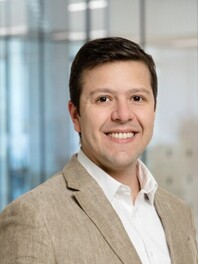
José Garcia-Tirado is an Assistant Professor at the University of Bern (Switzerland), affiliated with the Department of Diabetes, Endocrinology, Nutritional Medicine, and Metabolism, and the Diabetes Center Berne. Previously, he held a faculty position at the University of Virginia’s Center for Diabetes Technology. His research centers on physiologically based and data-driven modeling for digital therapeutics in diabetes, focusing on advancing next-generation, fully automated insulin delivery (fAID) systems for insulin-dependent diabetes, with and without adjunctive therapies. He is the inventor of UBLoop, the first Swiss clinically tested hybrid closed-loop system for people with type 1 diabetes.
Selected Publications
- Builes-Montaño, C.E., Lema-Perez, L., Ramírez-Rincón, A., Zuleta-Tobón, J.J., Restrepo-Gutiérrez, J.C., Álvarez-Zapata, H.D. and García-Tirado, J., 2025. A digital twin-enhanced decision support system improves time-in-range in type 1 diabetes: a randomized clinical trial. Scientific Reports, 15(1), p.39738.
- Mader, J.K., Wong, J.C., Freckmann, G., Garcia-Tirado, J., Hirsch, I.B., Johnson, S.B., Kerr, D., Kim, S.H., Lal, R., Montaser, E. and O’Donnell, H., 2025. The use of continuous glucose monitoring to diagnose stage 2 type 1 diabetes. Journal of Diabetes Science and Technology, 19(4), pp.1109-1127.
- Garcia-Tirado, J., Colmegna, P., Villard, O., Diaz, J.L., Esquivel-Zuniga, R., Koravi, C.L., Barnett, C.L., Oliveri, M.C., Fuller, M., Brown, S.A. and DeBoer, M.D., 2023. Assessment of meal anticipation for improving fully automated insulin delivery in adults with type 1 diabetes. Diabetes Care, 46(9), pp.1652-1658.
- Garcia-Tirado, J., Farhy, L., Nass, R., Kollar, L., Clancy-Oliveri, M., Basu, R., Kovatchev, B. and Basu, A., 2022. Automated insulin delivery with SGLT2i combination therapy in type 1 diabetes. Diabetes Technology & Therapeutics, 24(7), pp.461-470.
- Garcia-Tirado, J., Diaz, J.L., Esquivel-Zuniga, R., Koravi, C.L., Corbett, J.P., Dawson, M., Wakeman, C., Barnett, C.L., Oliveri, M.C., Myers, H. and Krauthause, K., 2021. Advanced closed-loop control system improves postprandial glycemic control compared with a hybrid closed-loop system following unannounced meal. Diabetes Care, 44(10), pp.2379-2387.
Profile
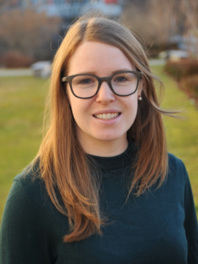
Dr. Janine Gote-Schniering is incoming SNSF Starting Grant Assistant Professor at the Clinic for Rheumatology and Immunology at Inselspital and a principal investigator within the Lung Precision Medicine Program at the Department for BioMedical Research, University of Bern. Since 2023, she has led an interdisciplinary research program dedicated to understanding and treating chronic inflammatory and fibrotic lung diseases.
Her research bridges fundamental and translational science, focusing on the pathomechanisms underlying impaired lung regeneration and the development of pulmonary fibrosis. In particular, she investigates how immune ageing, especially aged T cells, disrupts lung regenerative cellular networks and drives fibrotic remodeling of lung tissue.
To address these questions, Dr. Gote-Schniering integrates high-resolution imaging, AI-based radiomic analyses, and single-cell multi-omics approaches in preclinical models and deeply phenotyped patient cohorts. She further employs advanced human 3D tissue models to dissect cellular interactions and molecular pathways underlying immune-mediated regenerative dysfunction and pulmonary fibrosis.
Selected Publications
- Single cell decomposition of multicellular aging programs associated with impaired lung regeneration. Gote-Schniering J, Melo-Narváez MC, Boosarpu G, Lauer D, Prakki SRS, Wang H, Brunner M, Khan S, Ansari M, Ammeter M, Jain E, Puda N, Wiedemann K, Steinchen C, Ashgapour S, Eceiza A, Dudek M, Mayr CH, Chen Y, Angelidis I, Yildirim Ö, Knolle P, Burgstaller G, Königshoff M, Kadri S, Mück-Häusl M, Theis FJ, Lehmann M, Schiller HB. bioRxiv. 2025 Jul 24:2025.07.24.666371. doi: 10.1101/2025.07.24.666371.
- Targeting p16INK4a reverses alveolar epithelial cell dysfunction and induces lung regeneration in emphysema. Ribeiro-Baptista B*, Toigo M*, Justeau G, Abou-Atmeh P, de Freitas Castro T, Zysman M, Thibaut De Menonville C, Audureau E, Schnyder K, Wang H, Hu Y, Königshoff M, Lanone S, Chabot F, Zana-Taïeb E, Jourdan Le Saux C, Lehmann M, Thuret JY, Derumeaux G, Boczkowski J, Gote-Schniering J*, Boyer L*. bioRxiv 2025.09.05.674489; doi: https://doi.org/10.1101/2025.09.05.674489 . *contributed equally
- Lang NJ*, Gote-Schniering J*, Porras-Gonzalez D, Yang L, De Sadeleer LJ, Jentzsch RC, Shitov VA, Zhou S, Ansari M, Agami A, Mayr CH, Hooshiar Kashani B, Chen Y, Heumos L, Pestoni JC, Molnar ES, Geeraerts E, Anquetil V, Saniere L, Wögrath M, Gerckens M, Lehmann M, Yildirim AÖ, Hatz R, Kneidinger N, Behr J, Wuyts WA, Stoleriu MG, Luecken MD, Theis FJ, Burgstaller G, Schiller HB. Ex vivo tissue perturbations coupled to single-cell RNA-seq reveal multilineage cell circuit dynamics in human lung fibrogenesis. Sci Transl Med. 2023 Dec 6;15(725):eadh0908. doi: 10.1126/scitranslmed.adh0908. *contributed equally
- Lauer D, Magnin CY, Kolly LR, Wang H, Brunner M, Chabria M, Cereghetti GM, Gabryś HS, Tanadini-Lang S, Uldry AC, Heller M, Verleden SE, Klein K, Sarbu AC, Funke-Chambour M, Ebner L, Distler O, Maurer B, Gote-Schniering J. Radioproteomics stratifies molecular response to antifibrotic treatment in pulmonary fibrosis. JCI Insight. 2024 Jul 16;9(15):e181757. doi: 10.1172/jci.insight.181757.
- Schniering J, Maciukiewicz M, Gabrys HS, Brunner M, Blüthgen C, Meier C, Braga-Lagache S, Uldry AC, Heller M, Guckenberger M, Fretheim H, Nakas CT, Hoffmann-Vold AM, Distler O, Frauenfelder T, Tanadini-Lang S, Maurer B. Computed tomography-based radiomics decodes prognostic and molecular differences in interstitial lung disease related to systemic sclerosis. Eur Respir J. 2022 May 19;59(5):2004503. doi: 10.1183/13993003.04503-2020.
Profile
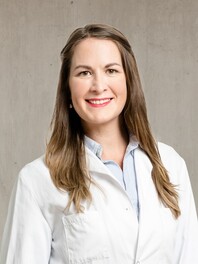
PD Dr. med. Sonja Häckel is a consultant spine surgeon at the Department of Orthopaedic Surgery and Traumatology, Inselspital Bern, University Hospital Bern. Her clinical and scientific work focuses on degenerative and traumatic disorders of the spine, with a particular interest in intervertebral disc degeneration and regeneration, thoracolumbar spine trauma, biological approaches to spinal fusion, and patient-reported outcomes in spine care. She combines clinical spine surgery with translational musculoskeletal research and clinical outcome studies, aiming to improve evidence-based and patient-centred treatment strategies for spinal disorders.
Selected Publications
- Chen S, Tian X, Zwingenberger S, Albers CE, Gantenbein B, Häckel S. Promoting intervertebral disc fusion using BMP2, L51P, and the EP4 agonist KMN-159: synergistic osteogenesis in human annulus fibrosus cells. European Spine Journal. 2026. doi: 10.1007/s00586-026-09841-0.
- Häckel S, Stienen MN, Martens B, Neuhaus V, Albers CE. Study Protocol for a Randomized Controlled Clinical Trial on the Outcome of Surgical Versus Primary Nonsurgical Treatment of Traumatic Thoracolumbar Spine Burst Fractures in Patients Without Neurological Symptoms—A34RCT. Neurosurgery Practice. 2024;5:e00091. doi: 10.1227/neuprac.0000000000000091.
- Häckel S, Oswald KAC, Koller L, Benneker LM, Benneker LA, Sadiqi S, Oner FC, Deml MC. Reliability and Validity of the German Version of the AO Spine Patient Reported Outcome Spine Trauma Questionnaire. Global Spine Journal. 2024;14(6):1771–1777. doi: 10.1177/21925682231156124.
- Ma J, Häne S, Eglauf J, Pfannkuche J, Soubrier A, Li Z, Peroglio M, Hoppe S, Benneker L, Lang G, Wangler S, Alini M, Creemers LB, Grad S, Häckel S. Celecoxib alleviates nociceptor sensitization mediated by interleukin-1beta-primed annulus fibrosus cells. European Spine Journal. 2023;32(6):2048–2058. doi: 10.1007/s00586-023-07672-x.
Profile
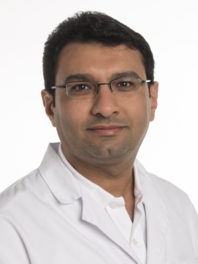
Arsany Hakim, MD, is a Senior Consultant Neuroradiologist at Bern University Hospital and Privatdozent at the University of Bern. His clinical and research interests focus on advanced neuroimaging and the clinical translation of artificial intelligence into routine practice.
His work focuses on the evaluation, integration, and governance of AI applications, with particular emphasis on workflow integration, clinical evaluation, user adoption, and change management. His activities combine clinical practice, research, and education to support the safe, effective, and responsible adoption of AI. He also contributes to teaching and international collaboration in medical AI.
Selected Publications
-
Hakim A, et al. Deep Resolve Boost in 2D MRI for Neuroradiology: A Comparative Evaluation of Diagnostic Gains and Potential Risks. AJNR Am J Neuroradiol. 2026 https://pubmed.ncbi.nlm.nih.gov/41203425/
-
Hakim A, et al. Feasibility of using Gramian angular field for preprocessing MR spectroscopy data in AI classification tasks: Differentiating glioblastoma from lymphoma Eur J Radiol. 2025. https://pubmed.ncbi.nlm.nih.gov/39892374/
-
Hakim A, et al. CT brain perfusion patterns and clinical outcome after successful cardiopulmonary resuscitation: A pilot study Resuscitation. [2024].https://pubmed.ncbi.nlm.nih.gov/38626861/
-
Hakim A, et al. Predicting Infarct Core From Computed Tomography Perfusion in Acute Ischemia With Machine Learning: Lessons From the ISLES Challenge. Stroke. 2021. https://pubmed.ncbi.nlm.nih.gov/33957774/

Profile
PD Dr. med. Hemmatazad is a board-certified Radiation Oncologist and Senior Physician at Inselspital Bern, specializing in stereotactic body radiotherapy, radiosurgery, and online adaptive radiotherapy. He serves as single point of contact for advanced precision radiotherapy techniques, with expertise in gastrointestinal, neuroendocrine, and pediatric malignancies. His work combines clinical innovation with translational research, focusing on imaging-guided treatment, response assessment, and optimization of modern radiotherapy approaches. He is actively engaged in international collaborations, professional society leadership, resident education, and has authored numerous peer-reviewed publications.
Selected Publications
- Radiological response assessment after stereotactic body radiotherapy for spine metastases using magnetic resonance imaging: a systematic review. Keivan Daneshvar, Mohammadamin Shahrbaf, Johannes Heverhagen, Katarina Bryjova, Daniel M Aebersold, Pejman Jabehdar Maralani, Arjun Sahgal, Matthias Guckenberger, Hossein Hemmatazad. Physics and Imaging in Radiation Oncology, DOI: 10.1016/j.phro.2025.100840
- Cone-beam computed tomography-based online adaptive radiotherapy of esophageal cancer in the neoadjuvant setting: Dosimetric analysis, toxicity and treatment response. Nicolas Bachmann, Maiwand Ahmadsei, Moritz Hürlimann, Hubert S Gabrys, Daniel Schmidhalter, Jenny Bertholet, Martin D Berger, Yves Borbély, Ekin Ermiş, Emanuel Stutz, Binaya K Shrestha, Daniel M Aebersold, Peter Manser, Hossein Hemmatazad. Radiother Oncol. DOI: 10.1016/j.radonc.2025.110981
- Preoperative chemoradiotherapy for esophageal or gastroesophageal junction cancer: results from a retrospective study using extended CROSS regimen. Tobias Haltmeier, Jennifer Brazerol, Yves Borbely, Elena Riggenbach, Anna Stenger-Weisser, Burim Sermaxhaj, Martin D Berger, Hossein Hemmatazad. DOI: 10.1186/s13014-025-02637-4
- Metastases-directed stereotactic body radiotherapy in combination with targeted therapy or immunotherapy: systematic review and consensus recommendations by the EORTC-ESTRO OligoCare consortium. Kroeze SGC, Pavic M, Stellamans K, Lievens Y, Becherini C, Scorsetti M, Alongi F, Ricardi U, Jereczek-Fossa BA, Westhoff P, But-Hadzic J, Widder J, Geets X, Bral S, Lambrecht M, Billiet C, Sirak I, Ramella S, Giovanni Battista I, Benavente S, Zapatero A, Romero F, Zilli T, Khanfir K, Hemmatazad H, de Bari B, Klass DN, Adnan S, Peulen H, Salinas Ramos J, Strijbos M, Popat S, Ost P, Guckenberger M. Lancet Oncol. 2023 Mar;24(3):e121-e132.
- Dominik Henzen, Daniel Schmidhalter, Gian Guyer, Anna Stenger-Weisser, Ekin Ermiş, Robert Poel, Moritz Caspar Deml, Michael Karl Fix, Peter Manser, Daniel Matthias Aebersold, Hossein Hemmatazad. Feasibility of postoperative spine stereotactic body radiation therapy in proximity of carbon and titanium hybrid implants using a robotic radiotherapy device. Radiation Oncology, May 2022.

Profile
Why do so many drugs fail in clinical trials despite promising early results? Prof. Ineichen's group researches which factors determine whether drugs move from animal studies to clinical trials and regulatory approval through analysis of large-scale evidence from drug-testing publications and clinical trial patient data, focusing on neurology and psychiatry. Combining pharmacology, evidence synthesis, and AI, the group uses neuro-linguistic programming (NLP) and large language models (LLM) to improve drug development, making it more efficient, cost-effective, animal-friendly, and clinically useful.
Dr. Ineichen is Professor of Medical Data Science at the Department of Clinical Research, University of Bern. He has an MD from the University of Zurich, a PhD in neuroscience and pharmacology from ETH Zurich, fellowships at the NIH and Karolinska Institute, and clinical training in neuroradiology. He founded the STRIDE-Lab and uses large-scale biomedical and clinical data to advance drug development research.
Selected publications
- Ineichen, B. V., Held, U., Salanti, G., Macleod, M. R., & Wever, K. E. (2024). Systematic review and meta-analysis of preclinical studies. Nature Reviews Methods Primers, 4(1), 72.
- Ineichen, B. V., Furrer, E., Grüninger, S. L., Zürrer, W. E., & Macleod, M. R. (2024). Analysis of animal-to-human translation shows that only 5% of animal-tested therapeutic interventions obtain regulatory approval for human applications. PLoS biology, 22(6), e3002667.
- Doneva, S. E., Qin, S., Sick, B., Ellendorff, T., Goldman, J. P., Schneider, G., & Ineichen, B. V. (2024). Large language models to process, analyze, and synthesize biomedical texts: a scoping review. Discover Artificial Intelligence, 4(1), 107.
- Berg, I., Härvelid, P., Zürrer, W. E., Rosso, M., Reich, D. S., & Ineichen, B. V. (2024). Which experimental factors govern successful animal-to-human translation in multiple sclerosis drug development? A systematic review and meta-analysis. EBioMedicine, 110.
- Doneva, S. E., de Viragh, S., Hubarava, H., Schandelmaier, S., Briel, M., & Ineichen, B. V. (2025). Studytypeteller—large language models to automatically classify research study types for systematic reviews. Research Synthesis Methods, 1-20.

Profile
PD Dr. Kerstin Klein is research group leader at the University Clinic for Rheumatology and Immunology at the Inselspital, Universitätsspital Bern. Her research projects focus on molecular mechanisms underlying connective tissue diseases, with special emphasis on Sjögren’s disease. Her research group follows a multi-OMICS approach using human biosamples, complemented with in vitro disease models for functional studies. The aim of Dr. Klein’s translational projects is the generation of comprehensive pre-clinical data sets underlying Sjögren’s disease to pave the way towards a personalized medicine and a better care for patients in the future.
Selected Publications
- Brunner M, Guggisberg D, Sprecher M, Pastva O, Bürki K, et al., Klein K. Pro-inflammatory properties of salivary gland-derived fibroblasts—implications in Sjögren’s disease. Cells. 2025;14(8):558.
- Pecorelli L, Klein K. Insights into patient heterogeneity in Sjögren’s disease. International Journal of Molecular Sciences. 2025;26(13).
- Lauer D, Magnin CY, Kolly LR, Wang H, Brunner M, et al., Klein K. Radioproteomics stratifies molecular response to antifibrotic treatment in pulmonary fibrosis. JCI Insight. 2024;9(15).
- Pastva O, Klein K. Long non-coding RNAs in Sjögren’s disease. International Journal of Molecular Sciences. 2024;25(10).
- Elhai M, Micheroli R, Houtman M, Mirrahimi M, Moser L, et al. The long non-coding RNA HOTAIR contributes to joint-specific gene expression in rheumatoid arthritis. Nature Communications. 2023;14(1):8172.

Profile
Dr. Knobel is a clinician-scientist operating at the intersection of medicine and digital health. With a dual background as an MD-PhD, he possesses extensive expertise in developing and validating digital biomarkers for neurodegenerative disorders. He is currently translating this methodological experience to the field of Rheumatology ("Digital Rheumatology"). His primary research focuses on the objective quantification of hand function, stiffness, and dexterity using sensor-based technologies. Dr. Knobel leads translational projects validating novel devices, such as the "DextEgg-System," to enable continuous home monitoring and early flare detection in patients with Rheumatoid Arthritis, Psoriatic Arthritis, and Systemic Sclerosis.
Selected Publications
- Knobel SEJ, Pastore-Wapp M, et al. Usability of Two New Interactive Game Sensor-Based Hand Training Devices in Parkinson's Disease. Sensors (Basel). 2022;22(16):6278.
- Schütz N, Knobel SEJ, Botros A, et al. A systems approach towards remote health-monitoring in older adults: Introducing a zero-interaction digital exhaust. NPJ Digit Med. 2022;5(1):116.
- Saner H, Knobel SEJ, Schuetz N, Nef T. Contact-free sensor signals as a new digital biomarker for cardiovascular disease: chances and challenges. Eur Heart J Digit Health. 2020;1(1):30-39.
- Knobel SEJ, Oberson R, Räber J, et al. Evaluation of a New Mobile Virtual Reality Setup to Alter Pain Perception: Pilot Development and Usability Study in Healthy Participants. JMIR Serious Games. 2024;12:e52340.
- Knobel SEJ, Kaufmann BC, Gerber SM, et al. Development of a Search Task Using Immersive Virtual Reality: Proof-of-Concept Study. JMIR Serious Games. 2021;9(3):e29182.Schmid G, Häuselmann H, Huber C, Streit S, Ravensbergen W, Reichenbach S, Maurer B, Lehmann T, Pinedo-Villanueva R, et al. Post-fracture care and predictors of anti-osteoporotic treatment in Switzerland: a nationwide health claims analysis. Osteoporos Int. 2026; (accepted/in press).

Profile
Prof. Dr. Antje-Christin Knopf serves as Director of the sitem-insel School and is full professor at the University of Bern, specializing in Applied Data Sciences and Decision Support Systems with a focus on radio-oncology. Affiliated with the Department of Radio-Oncology and the Department of Digital Medicine, she drives strategic development in digital medicine, data‑driven decision support, and interdisciplinary collaboration, often in international constellations.
She earned her physics degree from Heidelberg University and completed her PhD at MGH / Harvard Medical School. Her academic journey spans institutions in Switzerland, the UK, Japan, the Netherlands and Germany. Her research centers on personalized radio-oncology, particularly particle therapy.
Selected Publications
- Knopf AC, Lomax A. In vivo proton range verification: a review. Phys Med Biol. 2013 Aug 7;58(15):R131-60. doi: 10.1088/0031-9155/58/15/R131. Epub 2013 Jul 17. PMID: 23863203.
- Chang JY, Zhang X, Knopf A, Li H, Mori S, Dong L, Lu HM, Liu W, Badiyan SN, Both S, Meijers A, Lin L, Flampouri S, Li Z, Umegaki K, Simone CB 2nd, Zhu XR. Consensus Guidelines for Implementing Pencil-Beam Scanning Proton Therapy for Thoracic Malignancies on Behalf of the PTCOG Thoracic and Lymphoma Subcommittee. Int J Radiat Oncol Biol Phys. 2017 Sep 1;99(1):41-50. doi: 10.1016/j.ijrobp.2017.05.014. Epub 2017 May 19. PMID: 28816159.
- Knopf AC, Czerska K, Fracchiolla F, Graeff C, Molinelli S, Rinaldi I, Rucincki A, Sterpin E, Stützer K, Trnkova P, Zhang Y, Chang JY, Giap H, Liu W, Schild SE, Simone CB 2nd, Lomax AJ, Meijers A. Clinical necessity of multi-image based (4DMIB) optimization for targets affected by respiratory motion and treated with scanned particle therapy - A comprehensive review. Radiother Oncol. 2022 Apr;169:77-85. doi: 10.1016/j.radonc.2022.02.018. Epub 2022 Feb 18. PMID: 35189152.
- Thummerer A, Zaffino P, Meijers A, Marmitt GG, Seco J, Steenbakkers RJHM, Langendijk JA, Both S, Spadea MF, Knopf AC. Comparison of CBCT based synthetic CT methods suitable for proton dose calculations in adaptive proton therapy. Phys Med Biol. 2020 Apr 28;65(9):095002. doi: 10.1088/1361-6560/ab7d54. PMID: 32143207.
- Meijers A, Daartz J, Knopf AC, van Heerden M, Bizzocchi N, Vazquez MV, Bachtiary B, Pica A, Shih HA, Weber DC. Possible association of dose rate and the development of late visual toxicity for patients with intracranial tumours treated with pencil beam scanned proton therapy. Radiat Oncol. 2024 Jun 17;19(1):75. doi: 10.1186/s13014-024-02464-z. PMID: 38886727; PMCID: PMC11184872.

Profile
Prof. Dr. Lisa Koch is an assistant professor for data science in diabetes care and leads the Machine Learning in Medicine Lab at the Department for Diabetology, Endocrinology, Nutritional Medicine and Metabolism and Department of Digital Medicine. Her research focuses on the development of certifiably safe, reliable, and effective machine learning methods for patient care. She received degrees in electrical and biomedical engineering from ETH Zürich and a PhD in computer science from Imperial College London, followed by research appointments at ETH Zürich and the University of Tübingen. Her work builds on experience across academia and the medical device industry, with a strong emphasis on trustworthy and safety-critical AI for clinical applications.
Selected Publications
- Alceu Bissoto, Trung-Dung Hoang, Tim Flühmann, Susu Sun, Christian F. Baumgartner, Lisa M. Koch: “Subgroup Performance Analysis in Hidden Stratifications”. In: Proc. Medical Image Computing and Computer Assisted Interventions (2025)
- Lisa M. Koch, Christian F. Baumgartner, Philipp Berens: “Distribution shift detection for the postmarket surveillance of medical AI algorithms: a retrospective simulation study”. In: npj Digital Medicine (2024)
- Kerol Djoumessi Donteu, Indu Ilanchezian, Laura Kühlewein, Hanna Faber, Christian F. Baumgartner, Bubacarr Bah, Philipp Berens, Lisa M. Koch: “Sparse activations for interpretable disease grading”. In: Proc. Medical Imaging with Deep Learning (MIDL) (2023)
- Tim Flühmann, Alceu Bissoto, Trung-Dung Hoang, Lisa M. Koch: “Label-free estimation of clinically relevant performance metrics under distribution shifts ”. In: Proc. Uncertainty for Safe Utilization of Machine Learning in Medical Imaging (UNSURE) (2025)
- Indu Ilanchezian, Valentyn Boreiko, Laura Kühlewein, Ziwei Huang, Murat Seçkin Ayhan, Matthias Hein, Lisa M. Koch*, and Philipp Berens*: "Development and validation of an AI algorithm to generate realistic and meaningful counterfactuals for retinal imaging based on diffusion models". PLOS Digital Health (2025)
- Alceu Bissoto, Trung-Dung Hoang, Tim Flühmann, Susu Sun, Christian F. Baumgartner, Lisa M. Koch: “Subgroup Performance Analysis in Hidden Stratifications”. In: Proc. Medical Image Computing and Computer Assisted Interventions (2025)
- Lisa M. Koch, Christian F. Baumgartner, Philipp Berens: “Distribution shift detection for the postmarket surveillance of medical AI algorithms: a retrospective simulation study”. In: npj Digital Medicine (2024)
- Kerol Djoumessi Donteu, Indu Ilanchezian, Laura Kühlewein, Hanna Faber, Christian F. Baumgartner, Bubacarr Bah, Philipp Berens, Lisa M. Koch: “Sparse activations for interpretable disease grading”. In: Proc. Medical Imaging with Deep Learning (MIDL) (2023)
- Tim Flühmann, Alceu Bissoto, Trung-Dung Hoang, Lisa M. Koch: “Label-free estimation of clinically relevant performance metrics under distribution shifts ”. In: Proc. Uncertainty for Safe Utilization of Machine Learning in Medical Imaging (UNSURE) (2025)
- Indu Ilanchezian, Valentyn Boreiko, Laura Kühlewein, Ziwei Huang, Murat Seçkin Ayhan, Matthias Hein, Lisa M. Koch*, and Philipp Berens*: "Development and validation of an AI algorithm to generate realistic and meaningful counterfactuals for retinal imaging based on diffusion models". PLOS Digital Health (2025)
Profile
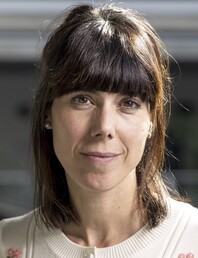
Prof. Raphaëlle Luisier leads the AI and Data Science for RNA Biology Lab at the University of Bern (DBMR) and is the founder of SATURNA, an international research initiative combining artificial intelligence and RNA biology to address complex human diseases. Her lab develops novel computational methods – spanning large language models, graph-based machine learning, and multimodal data integration – to decode the hidden functions of non-coding RNA sequences and their roles in neurodegeneration, cancer, and therapy resistance.
Through MIDHOS, Prof. Luisier is seeking collaborations related to
- metabolism and metabolic disease, to explore whether RNA dysregulation contributes to disease cell-state transitions in relevant metabolic tissues; and
- digital health and clinical data science, to leverage AI methods for the integration of molecular and clinical data towards novel diagnostic and therapeutic strategies.
Selected Publications
- L Fournier, G Haefliger, A Vernhes, V Jung, L Loye, V Du Bois, I Labidi-Galy, P Frossard, I Letovanec, C Vincent-Cuaz, R Luisier.Prognostic RNA-splicing archetypes in breast cancer identified by extended pre-training of histopathology foundation models. NatureCommunications, in press
- M Abu-Remaileh, CJ Chan, L Chen, GS Demirer, A Fiszbein, F Jug, A Victoria Lechuga-Vieco, R Luisier, J Pagan, BR Sabari, S Shao, LSun, JJ Żylicz. Visions of the future of molecular cell biology. Nature Reviews Molecular Cell Biology
- V Jung, C Vincent-Cuaz, C Tumescheit, L Fournier, M Darsinou, ZM Xu, A Saadat, Y Wang, P Tsantoulis, O Michielin, J Fellay, R Patani, A Ramos, P Frossard, J Hastings, A Riccio, L van der Plas, R Luisier. Decoding the interactions and functions of non-coding RNA with artificial intelligence. Nature Reviews Molecular Cell Biology
- R Balendra, J Sreedharan, M Hallegger, R Luisier, HA Lashuel, JM Gregory, R Patani. Amyotrophic lateral sclerosis caused by TARDBP mutations: from genetics to TDP-43 proteinopathy. The Lancet Neurology
- B Chen, C Vincent-Cuaz, LA Schoenpflug, M Madeira, L Fournier, V Subramanian, S Andani, S Ruiperez-Campillo, JE Vogt, R Luisier, D Thanou, VH Koelzer, P Frossard, G Campanella, G Rätsch. Revisiting Automatic Data Curation for Vision Foundation Models in Digital Pathology. MICCAI 2025
Profile
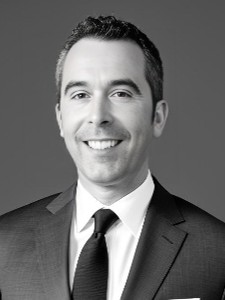
PD Dr. Ange Maguy is a research group leader at the Department of Physiology, Faculty of Medicine, University of Bern, where he heads the Atrial Fibrillation & Therapeutic Innovation group. His research focuses on the mechanisms driving cardiac arrhythmias, with a particular emphasis on atrial fibrillation and atrial cardiomyopathy.
His group combines electrophysiological approaches at the cellular, tissue/whole-heart, and in vivo levels with state-of-the-art techniques, including multiomics strategies, in clinically relevant models and human cardiac tissue. His current work aims to understand how multicellular interactions, fibro-inflammatory remodeling, systemic metabolic stress, and immune-mediated mechanisms contribute to cardiac electrical dysfunction and arrhythmogenesis. By integrating mechanistic studies with translational disease models and human cardiac samples, his group seeks to identify novel therapeutic strategies for the prevention and treatment of cardiac arrhythmias.
He is also actively engaged in national and international initiatives that promote cardiovascular research, collaboration, and scientific exchange.
Selected Publications
- Maguy A, Tessier A, Yuvaraj M, Denis M, Lauzier B, Charpentier F, Li J. Anti-TRPV2 Autoantibody Linked to Sudden Infant Death Syndrome. Circulation. 2025.
- Maguy A, Mahendran Y, Tardif JC, Busseuil D, Li J. Autoimmune atrial fibrillation. Circulation. 2023.
- Davidson SM, Andreadou I, Antoniades C, Bartunek J, Basso C, Brundel BJJM, Byrne RA, Chiva-Blanch G, da Costa Martins P, Evans P, Girão H, Giricz Z, Gollmann-Tepeköylü C, Guzik T, Gyöngyösi M, Hübner N, Joner M, Kleinbongard P, Krieg T, Liehn E, Madonna R, Maguy A, Paillard P, Pesce M, Petersen SE, Schiattarella GG, Sluijter JPG, Steffens S, Streckfuss-Bömeke K, Thielmann M, Tucker A, Van Linthout S, Wijns W, Wojta J, Wu JC, Perrino C. Opportunities and Challenges for the Use of Human Samples in Translational Cardiovascular Research. Cardiovascular Research. 2025.
- Rieger M, Dellenbach C, Vom Berg J, Beil-Wagner J, Maguy A, Rohr S. Enabling comprehensive optogenetic studies of mouse hearts by simultaneous opto-electrical panoramic mapping and stimulation. Nature Communications. 2021.
- Maguy A, Tardif JC, Busseuil D, Ribi C, Li J. Autoantibody signature in sudden cardiac arrest. Circulation. 2020.
Profile
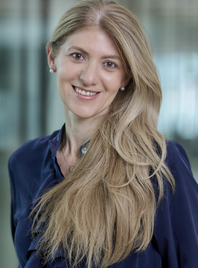
Stavroula-Georgia Mougiakakou is an Associate Professor at the University of Bern’s Faculty of Medicine and leads the Artificial Intelligence in Health and Nutrition Lab. Her research focuses on AI-driven analysis of multimodal health data, particularly in diabetes, obesity, and lung diseases, to advance personalized care. She has led interdisciplinary R&D projects applying AI in medicine and digital health, resulting in high-impact publications, patents, and technology transfer. She is co-director of the MSc in AI in Medicine.
Selected Publications
- E. J.denBrok, C. H.Svensson, M. T.Olsen, et al., “Randomised Controlled Multicentre Trial to Investigate the Effectiveness of a Mobile Artificial Intelligence Solution for Diabetes Adapted Care: The MELISSA Trial Protocol,” Diabetes, Obesity and Metabolism (2026): 1–8, https://doi.org/10.1111/dom.70879.
- L Abdur Rahman et al. Generative AI in Precision Nutrition: A Review of Current Developments and Future Directions. Nutrients. 2026; 18(6):938. https://doi.org/10.3390/nu18060938
- Brigato L et al. There are no Champions in Supervised Long-Term Time Series Forecasting. Transactions on Machine Learning Research, 2026, https://openreview.net/forum?id=yO1JuBpTBB
- M. Panagiotou et al. Personalized Insulin Adjustment With Reinforcement Learning: An In-Silico Validation for People With Diabetes on Intensive Insulin Treatment. IEEE Access, vol. 13, pp. 148436-148455, 2025, doi: 10.1109/ACCESS.2025.3600738
- Zumthurm, S et al. Reducing meat consumption using a diet-related written prompt and the Swiss food pyramid: A field study. Food Quality and Preference, 126, Article 105416, 2025. https://doi.org/10.1016/j.foodqual.2024.105416

Profile
Dr. Matthias Moor is a clinical nephrologist and translational research group leader working at the intersection of bone health and kidney disease. Dr. Moor earned an MD degree at University of Bern, an MD-PhD at University of Lausanne and was a visiting scientist at Karolinska Institutet.
His clinical activity focuses on chronic kidney disease-associated osteoporosis at the Department of Nephrology and Hypertension of University Hospital Bern. His research group addresses the heterogeneity of renal osteodystrophy, mineral and bone disorders, and the pathophysiology of bone hormone FGF23 excess. For his research work, he combines patient cohorts, animal and cellular models, population genetics and bioinformatics.
Selected Publications
- Moor MB, Burmakin M, Levin A, Korkut GG, Brodin D, Wernerson A, Bruchfeld A, Bárány P, Witasp A, Patrakka J, Olauson H. The renal response to FGF23 shifts from phosphaturia towards inflammation in kidney disease. Journal of Cell Communication and Signaling, accepted, 2026.
- Keele GR, Moor MB. Genetic dissection of tissue composition in genetically diverse mouse populations. bioRxiv preprint, 2025. doi:10.1101/2025.10.13.68204
- Lindberg K*, Ovchinnikova O*, Moor MB*, Pirault J, Ketelhuth DF, Olauson H, Hansson GK, Larsson TE. Fgf23 expression increases atherosclerotic plaque burden in male ApoE deficient mice. Atherosclerosis. 2025;403:119158. (co-first authors)
- Bartos K, Moor MB. FGFR regulator Memo1 is dispensable for FGF23 expression by osteoblasts during folic acid-driven kidney injury. Physiological Reports. 2023;11:e15650.
- Bartos K, Ramakrishnan SK, Braga-Lagache S, Hänzi B, Durussel F, Prakash Sridharan A, Zhu Y, Sheehan D, Hynes NE, Bonny O, Moor MB. Renal FGF23 signaling depends on redox protein Memo1 and promotes orthovanadate-sensitive protein phosphotyrosyl phosphatase activity. Journal of Cell Communication and Signaling. 2023;17:705–722.

Profile
Seraina Netzer (MD) is an Internal Medicine specialist working toward her Geriatric Medicine certification, with a clinical and research focus on multimorbid older adults and functional outcomes after acute and post‑acute care. Her work centers on understanding functional performance, independence, and patient priorities during recovery, with growing expertise in geriatric rehabilitation pathways and functional assessment. Her developing clinical‑scientific profile integrates geriatric medicine, rehabilitation, and patient‑centered outcome evaluation, contributing to innovative models of care for older adults.
Selected Publications
- Netzer S, Ruch C, Ivanova S, Limacher A, Meyer L, Eggimann AK. Difference in discharge disposition, adherence to clinical care standards and functional outcomes of older hip fracture patients receiving an orthogeriatric model of care versus routine care. J Orthop Surg Res. 2025 Nov 14;20(1):993. doi: 10.1186/s13018-025-06335-5. PMID: 41239506; PMCID: PMC12619141.
- Merz N, Plessmann R, Netzer S, Meyer L, Limacher A, Eggimann AK. Impact of Sarcopenia Diagnosed by Point-of-Care Ultrasound on Geriatric Rehabilitation Outcomes: A Prospective Cohort Study. J Am Med Dir Assoc. 2025 Nov;26(11):105873. doi: 10.1016/j.jamda.2025.105873. Epub 2025 Oct 1. PMID: 40947099.
- Netzer S, Chocano-Bedoya P, Feller M, Janett-Pellegri C, Wildisen L, Büchi AE, Moutzouri E, Gonzalez Rodriguez E, Collet TH, Poortvliet RKE, Mc Carthy VJC, Aeberli D, Aujesky D, Westendorp R, Quinn TJ, Gussekloo J, Kearney PM, Mooijaart S, Bauer DC, Rodondi N. The effect of thyroid hormone therapy on muscle function, strength and mass in older adults with subclinical hypothyroidism-an ancillary study within two randomized placebo controlled trials. Age Ageing. 2023 Jan 8;52(1):afac326. doi: 10.1093/ageing/afac326. PMID: 36721961.
- Büchi AE, Feller M, Netzer S, Blum MR, Gonzalez Rodriguez E, Collet TH, Del Giovane C, van Heemst D, Quinn T, Kearney PM, Westendorp RGJ, Gussekloo J, Mooijaart SP, Hans D, Bauer DC, Rodondi N, Aeberli D. Bone geometry in older adults with subclinical hypothyroidism upon levothyroxine therapy: A nested study within a randomized placebo controlled trial. Bone. 2022 Aug;161:116404. doi: 10.1016/j.bone.2022.116404. Epub 2022 Apr 2. PMID: 35381390.
- Blum MR, Sallevelt BTGM, Spinewine A, O'Mahony D, Moutzouri E, Feller M, Baumgartner C, Roumet M, Jungo KT, Schwab N, Bretagne L, Beglinger S, Aubert CE, Wilting I, Thevelin S, Murphy K, Huibers CJA, Drenth-van Maanen AC, Boland B, Crowley E, Eichenberger A, Meulendijk M, Jennings E, Adam L, Roos MJ, Gleeson L, Shen Z, Marien S, Meinders AJ, Baretella O, Netzer S, de Montmollin M, Fournier A, Mouzon A, O'Mahony C, Aujesky D, Mavridis D, Byrne S, Jansen PAF, Schwenkglenks M, Spruit M, Dalleur O, Knol W, Trelle S, Rodondi N. Optimizing Therapy to Prevent Avoidable Hospital Admissions in Multimorbid Older Adults (OPERAM): cluster randomised controlled trial. BMJ. 2021 Jul 13;374:n1585. doi: 10.1136/bmj.n1585. Erratum in: BMJ. 2022 Dec 1;379:o2859. doi: 10.1136/bmj.o2859. PMID: 34257088; PMCID: PMC8276068.

Profile
Dr. Tuyet-Vi Caroline Nguyen is a cardiologist and translational researcher specializing in valvular heart disease, advanced cardiac imaging, and transcatheter interventions. Her work integrates clinical phenotyping, echocardiography, and mechanistic insights to improve risk stratification and outcomes for patients undergoing structural heart interventions.
Her research focuses on the pathophysiology of valvular heart disease and the gut–heart axis, investigating how gut microbiota and microbial metabolites influence cardiovascular disease progression. Trained in France at Bichat Hospital, Paris, APHP, she now pursues an academic and clinical career in Switzerland, bridging clinical cardiology with translational and systems-based approaches while mentoring and fostering multidisciplinary collaborations.
Selected Publications
- Chong-Nguyen C, Artiles RF, Pilgrim T, Yilmaz B, Döring Y. The gut-heart axis in coronary artery disease: a scoping and narrative review of sex-based microbial and metabolic disparities. Biol Sex Differ. 2026; Jan 30. doi:10.1186/s13293-026-00824-w
- Chong-Nguyen C, Yilmaz B, Coles B, et al. A scoping review evaluating the current state of gut microbiota and its metabolites in valvular heart disease physiopathology. Eur J Clin Invest. 2025;55(6):e14381.
- Chong Nguyen C, Duboc D, Rainteau D, et al. Circulating bile acids concentration is predictive of coronary artery disease in humans. Sci Rep. 2021;11:22661. doi:10.1038/s41598-021-02144-y
- Kelly CP*, Chong Nguyen C*, Palmieri LJ, et al. Saccharomyces boulardii CNCM I-745 modulates fecal bile acids metabolism during antimicrobial therapy in healthy volunteers. Front Microbiol. 2019;10:336. (*equally first author)
- Samim D*, Chong-Nguyen C*, Hausammann Y, et al. Midterm outcomes of transcatheter edge-to-edge repair for primary mitral regurgitation according to anatomical characteristics. Struct Heart. 2025;10(3):100763. (*equal contributions)

Profile
Prof. Dr. med. dent. Christoph A. Ramseier is Associate Professor at the Department of Periodontology, School of Dental Medicine, University of Bern. Trained in dentistry at the University of Bern and certified as Periodontist by the Swiss Society of Periodontology (SSP) and the European Federation of Periodontology (EFP), he completed his postdoctoral research training at the Michigan Center for Oral Health Research, University of Michigan, Ann Arbor, USA. He holds a Master of Advanced Studies (MAS) in Periodontology and additional Certificates of Advanced Studies in Higher Education and in Statistical Data Sciences. He was Past President of the Swiss Society of Periodontology (2020–2024), currently serves as President of the Swiss Implant Foundation (ISS), and is President of the Research Fund of the Swiss Dental Association (SSO).
His research bridges clinical periodontology, behavioural science, and digital health. His long-standing research addresses risk factor management in periodontal care - in particular tobacco use cessation and motivational interviewing - and the personalisation of supportive periodontal care based on individual risk profiles, increasingly supported by online digital tools. His group has contributed to the long-term natural history of periodontitis, the validation of biomarker-based diagnostics in oral fluids, and evidence-based recall interval determination, with implications for the prevention of metaflammatory comorbidities linked to chronic periodontal inflammation.
A central focus of his current work is the integration of artificial intelligence and digital tools into periodontal diagnosis, documentation, and patient communication. He developed and maintains the multilingual platforms Periodontalchart-online and Perio-tools, which provide AI-ready periodontal charting and risk assessment solutions used internationally in clinical practice, education, and research. Within MIDHAS, his work connects periodontal inflammation, behavioural risk factor modification, and digital phenotyping to the broader research agenda on inflammation and digital health.
Selected Publications
- Ramseier CA, Mirra D, Schutz C, et al. Bleeding on probing as it relates to smoking status in patients enrolled in supportive periodontal therapy for at least 5 years. J. Clin. Periodontol. 2015; 42:150-159.
- Ramseier CA, Nydegger M, Walter C, et al. Time between recall visits and residual probing depths predict long-term stability in patients enrolled in supportive periodontal therapy. J. Clin. Periodontol. 2019; 46:218-230.
- Farina R, Simonelli A, Trombelli L, Ettmayer JB, Schmid JL and Ramseier CA. Emerging Applications of Digital Technologies for Periodontal Screening, Diagnosis and Prognosis in the Dental Setting. J. Clin. Periodontol. 2025; 52 Suppl 29:211-245.
- Ramseier CA. Diagnostic measures for monitoring and follow-up in periodontology and implant dentistry. Periodontol. 2000 2024; 95:129-155.
- Ramseier CA. An integrated behavioral change model for smoking cessation in periodontal care: The four-stage behavioral support staircase. Periodontol. 2000 2026.

Profile
Prof. Dr. Nikola Saulacic is research group leader at the University Clinic for Cranio-Maxillofacial Surgery at the Inselspital, University Hospital of Bern. His research focuses on the biological processes related to the bone regeneration with a strong translational character. His work integrates the development of different biomaterials including various types of bone grafts, titanium and biodegradable osteosynthesis devices and the 3D-printing technologies. For his research work he combines cellular and animal models, with the aim to improve the management and rehabilitation of patients with bone deficiencies.
Selected Publications
- Fujioka-Kobayashi M, Marjanowski SD, Kono M, Hino S, Saulacic N, Schaller B. Osteoinductive potential of recombinant BMP-9 in bone defects of mice treated with antiresorptive agents. Int J Oral Maxillofac Surg. 2022;51(4):566-575. doi:10.1016/j.ijom.2021.08.014
- Lang NP, Imber JC, Lang KN, Schmid B, Muñoz F, Bosshardt DD, Saulacic N. Sequential osseointegration of a novel implant system based on 3D printing in comparison with conventional titanium implants. Clin Oral Implants Res. 2023;34(6):627-638. doi:10.1111/clr.14072
- Strunz F, Gentil-Perret S, Siegrist M, Bohner M, Saulacic N, Hofstetter W. Bisphosphonates do not affect healing of a critical-size defect in estrogen-deficient mice. Bone Rep. 2024;20:101739. doi:10.1016/j.bonr.2024.101739
- Saulacic N, Katagiri H, Fujioka-Kobayashi M, Ferrari SL, Gerbaix MC. Alternated activation with relaxation of periosteum stimulates bone modeling and remodeling. Sci Rep. 2024;14:11136. doi:10.1038/s41598-024-61902-w
- Lang KN, Lang NP, Muños Guzon FM, Saulacic N. Bi-Layered Biphasic Calcium Phosphate Bone Substitute to Improve Bone Formation in Lateral Jaw Defects Applying the Principle of Guided Bone Regeneration (GBR)-A Pre-Clinical Randomized Controlled Study. Clin Oral Implants Res. 2025;36(9):1115-1125. doi:10.1111/clr.14460

Profile
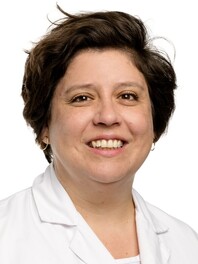
Professor Eva Segelov (MBBS, PhD, FRACP) is Full Professor at the University of Bern where she is the Director of the Department of Clinical Research, and academic medical oncologist at the University Cancer Centre, Inselspital, Bern. She is a recognized international expert in the field of gastrointestinal and breast cancer, with over 30 years of experience in managing patients in a multidisciplinary setting. She has led multiple international oncology clinical trials, including investigator-initiated studies. Her research interests are values-based health care, patient-centered care, and global oncology.
Selected Publications
- Chia J* and SEGELOV E*, Deng YH, Wei W, Ho G, Shama A, Ding K, Cheng G, Jeffreys M, Nott L, Zielinski R, Ahn J, Yau T, Chao T, Nabilah S, Ghandi M, Rothwell P, Simes J, Ali R, Toh H. 2025. Aspirin after completion of Standard Adjuvant Therapy for Colorectal Cancer (ASCOLT) – An International Multi-Centre Phase 3 Randomised Double-blind Placebo-controlled Trial. The Lancet Gastroenterology & Hepatology.10:3:198-209. *equal contribution, 10.1016/S2468-1253(24)00387-X
- Body A, Lal L, Srihari S, MacIntyre R, Buttery J, Ahern E, Opat S, Leahy M, Hamad N, Milch V, Turville S, Smith C, Lineburg K, Rawlinson W, SEGELOV E. 2025. Immune Response to COVID-19 Vaccination in Children with Cancer. Pediatrics.156 (3), e2024070209
- Xi X, Lui L, Tuano N, Tailhades J, Mouradov D, Sieber O, Cryle M, SEGELOV E, Rosenbluh J. 2025. SRP19 and the protein secretion machinery is a targetable vulnerability in cancers with APC loss 2025. Proceedings of the National Academy of Sciences 122.15 (2025): e2409677122
- SEGELOV E, Thavaneswaran S, Waring P, Desai J, Mann K, Elez E, Chantrill L, Pavlakis N, Nott L, Underhill C, Khasraw M, Wasan H, Ciardiello F, Jefford M, Joubert W, Haydon A, Karapetis C, Price T, Wilson K, Shapiro J. 2016. Response to cetuximab with or without irinotecan in patients with refractory metastatic colorectal cancer harboring the KRAS G13D mutation: Australasian gastro- intestinal trials group ICECREAM study. Journal of Clinical Oncology 34(19), 2258-2264.
- Arulananda S, SEGELOV E. 2022. Sarcopenia and cancer-related inflammation measurements in advanced gastric and junctional cancers. Annals Oncology, invited editorial 33:669-71.
Profile
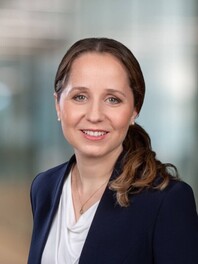
Nicole Tochtermann, MD, is a board-certified specialist in Geriatrics and General Internal Medicine serving as Senior Physician at the Center for Orthogeriatrics, Inselspital Bern University Hospital, where she provides interdisciplinary orthogeriatric care for older adults with fragility fractures and age-related musculoskeletal conditions. She is a Junior Research Fellow working closely with PD Dr. Anna Eggimann at the University Clinic for Geriatrics, Inselspital Bern.
Her research focuses on sarcopenia, frailty, and functional recovery in older adults, with a particular interest in digital and home-based approaches to rehabilitation after orthopaedic hospitalisation. Current projects include developing point-of-care ultrasound cut-offs for the diagnosis of sarcopenia, investigating the relationship between oral function, sarcopenia, and frailty, and exploring how digital interventions can extend and enhance recovery beyond the hospital setting. She also contributes to Reframing Aging, an educational intervention integrated into the geriatric curriculum for medical students at the University of Bern, aimed at building awareness of ageism and equipping future healthcare professionals with communication skills to foster respectful, patient-centred care for older adults.

Profile
Matthias Wilhelm is a cardiologist, internal medicine specialist, and sports physician. He is Associate Professor at the University of Bern, Switzerland, and serves as Medical Director of the Centre for Rehabilitation & Sports Medicine at Inselspital, Bern University Hospital. He is active nationally and internationally in the field of cardiac rehabilitation. His research focuses on exercise physiology, functioning, and digital health technologies in prevention, prehabilitation, rehabilitation, and healthy ageing.
Selected Publications
- Eser P, Käesermann D, Calamai P, Kalberer A, Stütz L, Huber S, Duffin J, Wilhelm M. Excess ventilation and chemosensitivity in patients with inefficient ventilation and chronic coronary syndrome or heart failure: a case-control study. Front Physiol. 2025. DOI: 10.3389/fphys.2024.1509421.
- Eser P, Pini M, Vetsch T, Marcin T, Berni S, Burri R, Casanova F, Huber S, Gurschler F, Boeni C, Hubli M, Herwegh N, Zimmermann A, Hess L, Schmutz S, Wilhelm M. Comparison of patient characteristics and health outcomes between self-selected centre-based cardiac rehabilitation and hybrid cardiac telerehabilitation: a prospective cohort study. Eur J Prev Cardiol. 2025. DOI: 10.1093/eurjpc/zwaf107.
- Schneider C, Ryffel C, Stütz L, Rabaglio M, Suter T, Campbell K, Eser P, Wilhelm M. Supervised exercise training in patients with cancer during anthracycline-based chemotherapy to mitigate cardiotoxicity: a randomized-controlled-trial. Front Cardiovasc Med. 2023. DOI: 10.3389/fcvm.2023.128315
- Eser P, Marcin T, Prescott E, Prins L, Kolkman E, Bruins W, Velde A, Gil C, Iliou M, Ardissino D, Zeymer U, Meindersma E, Hof A, Kluiver E, Wilhelm M. Breathing pattern and pulmonary gas exchange in elderly patients with and without left ventricular dysfunction-modification with exercise-based cardiac rehabilitation and prognostic value. Front Cardiovasc Med. 2023. DOI: 10.3389/fcvm.2023.1219589
- Gonzalez-Jaramillo N, Marcin T, Matter S, Eser P, Berlin C, Bano A, Heg D, Franco O, Windecker S, Räber L, Wilhelm M. Clinical outcomes and cardiac rehabilitation in underrepresented groups after percutaneous coronary intervention: an observational study. Eur J Prev Cardiol. 2022. DOI: 10.1093/eurjpc/zwab204.
Profile
Dr. Lilian Witthauer is an Assistant Professor and leads the Sensing and Monitoring Lab (samlab). She trained as a physicist at the University of Basel, where she obtained a PhD in Experimental Physics, and completed a Master of Advanced Studies in Medical Physics at ETH Zürich. Prior to joining the University of Bern, she was a research fellow at Harvard Medical School and Massachusetts General Hospital (Wellman Center for Photomedicine), focusing on phosphorescence-based oxygen sensing for clinical applications. Her current research addresses optical and contactless sensing methods, sensor materials and system integration, and data-driven analysis for monitoring physiological and metabolic processes, with a focus on diabetes and precision metabolic medicine. Her work is supported by competitive funding, including the Swiss National Science Foundation. She teaches in the master’s programs in Biomedical Engineering and Artificial Intelligence in Medicine and supervises students and researchers across all academic levels.
Selected Publications
- Witthauer L, Mendez C, Garcia-Tirado J, Eichenlaub M, Waldenmaier D, Pleus S, Freckmann G. Discrepancies between current displayed and auto-logged glucose values in FreeStyle Libre 3: Implications for clinical interpretation. Diabetes Obes Metab. 2025 Dec;27(12):7367-7373. doi: 10.1111/dom.70140. Epub 2025 Sep 18. PMID: 40968547; PMCID: PMC12587223.
- Hassanpour E, Nasehi M, Meymandinezhad A, Witthauer L. A low-power approach to optical glucose sensing via polarisation switching. Sci Rep. 2025 Apr 23;15(1):14200. doi: 10.1038/s41598-025-99367-0. PMID: 40269078; PMCID: PMC12019186.
- Mendez C, Kaykayoglu CA, Bähler T, Künzler J, Lizoain A, Rothenbühler M, Schmidt MH, Laimer M, Witthauer L. Toward Detection of Nocturnal Hypoglycemia in People With Diabetes Using Consumer-Grade Smartwatches and a Machine Learning Approach. J Diabetes Sci Technol. 2025 Feb 25:19322968251319800. doi: 10.1177/19322968251319800. Epub ahead of print. PMID: 39996274; PMCID: PMC11851596.
- Nicolier C, Künzler J, Lizoain A, Kerber D, Hossmann S, Rothenbühler M, Laimer M, Witthauer L. Detection of hypoglycaemia in type 1 diabetes through breath volatile organic compound profiling using gas chromatography-ion mobility spectrometry. Diabetes Obes Metab. 2024 Dec;26(12):5737-5744. doi: 10.1111/dom.15944. Epub 2024 Sep 16. PMID: 39284789.
- Witthauer L, Roussakis E, Cascales JP, Goss A, Li X, Cralley A, Yoeli D, Moore HB, Wang Z, Wang Y, Li B, Huang CA, Moore EE, Evans CL. Development and in-vivo validation of a portable phosphorescence lifetime-based fiber-optic oxygen sensor. Sci Rep. 2023 Sep 7;13(1):14782. doi: 10.1038/s41598-023-41917-5. PMID: 37679415; PMCID: PMC10484954.